Table of Contents
- What Is a Cyber Security Engineer?
- Cyber Security Engineer vs. Other IT Roles
- Cyber Security Engineer vs. Software Engineer
- Core Job Responsibilities and Day-to-Day Tasks
- Cyber Security Engineer Job Description Breakdown
- Required Skills for Cyber Security Engineers
- Technical Skills
- Does Cyber Security Require Coding?
- Soft Skills and Business Acumen
- Education Pathways: Degrees and Majors
- Is Cyber Security a Good Major?
- Top Cyber Security Engineering Programs
- Best Certifications for Cyber Security Engineers
- Entry-Level vs. Advanced Certifications
- Cyber Security Engineer Salary and Job Outlook
- Cyber Security Engineering Jobs: Where to Find Them
- How to Become a Cyber Security Engineer: Step-by-Step
- Final Thoughts: Is Cyber Security Engineering Right for You?
- Ready to Start Your Cyber Security Engineering Career?
Cybersecurity engineering has become one of the most in-demand, future-proof, and mission-critical careers in the modern digital economy. Whether you’re a student exploring your options, an IT professional looking to specialize, or someone pivoting into tech for the first time, this guide will walk you through everything you need to know about becoming a Cyber Security Engineer — what they do, the skills required, education paths, certifications, salaries, and how to break into the field.
What Is a Cyber Security Engineer?
A Cyber Security Engineer (also called a Security Engineer or Information Security Engineer) is responsible for designing, building, and maintaining the technical defenses that protect an organization’s systems, data, and infrastructure.
Their core purpose is simple:Make it hard for attackers to succeed — and easy for defenders to respond.
Security engineers sit at the intersection of IT operations, security architecture, network engineering, cloud and DevOps, and incident response. If a security architect designs the blueprint, the security engineer turns it into reality.
Cyber Security Engineer vs. Other IT Roles
Cybersecurity engineering is often confused with other security or IT positions. Here’s how it differs:
Security Engineer vs. Security Analyst
Analysts monitor alerts, investigate incidents, and perform threat analysis.
Engineers build and tune the systems analysts rely on.
Security Engineer vs. Security Architect
Architects design the high-level security strategy and frameworks.
Engineers implement, configure, and operationalize those designs.
Security Engineer vs. IT Administrator
Admins manage systems and networks for availability and performance.
Engineers secure those systems, harden configurations, and enforce controls.
In short: Analysts detect. Architects design. Engineers build.
Cyber Security Engineer vs. Software Engineer
These two roles overlap but have very different missions.
| Cyber Security Engineer | Software Engineer |
|---|---|
| Protects systems and data | Builds applications and features |
| Focuses on threats, vulnerabilities, and controls | Focuses on functionality and performance |
| Works with firewalls, IAM, cloud security, SIEM, EDR | Works with programming languages, frameworks, APIs |
| Career path leads to architect, SOC lead, or CISO | Career path leads to senior dev, architect, or CTO |
Software engineers create value. Security engineers protect that value.
Core Job Responsibilities and Day-to-Day Tasks
A Cyber Security Engineer’s daily work typically includes:
Designing and implementing security controls (firewalls, IAM, Zero Trust policies)
Hardening systems, servers, and cloud environments
Managing identity and access governance
Monitoring security tools and tuning detections
Conducting vulnerability scans and remediation
Supporting incident response and forensic investigations
Automating security tasks with scripts and APIs
Building secure network architectures
Reviewing logs, alerts, and system behavior
Collaborating with IT, DevOps, and compliance teams
Security engineering is hands-on, technical, and constantly evolving.
Cyber Security Engineer Job Description Breakdown
A typical job posting includes:
Must-Have Qualifications
Network security, firewalls, VPNs
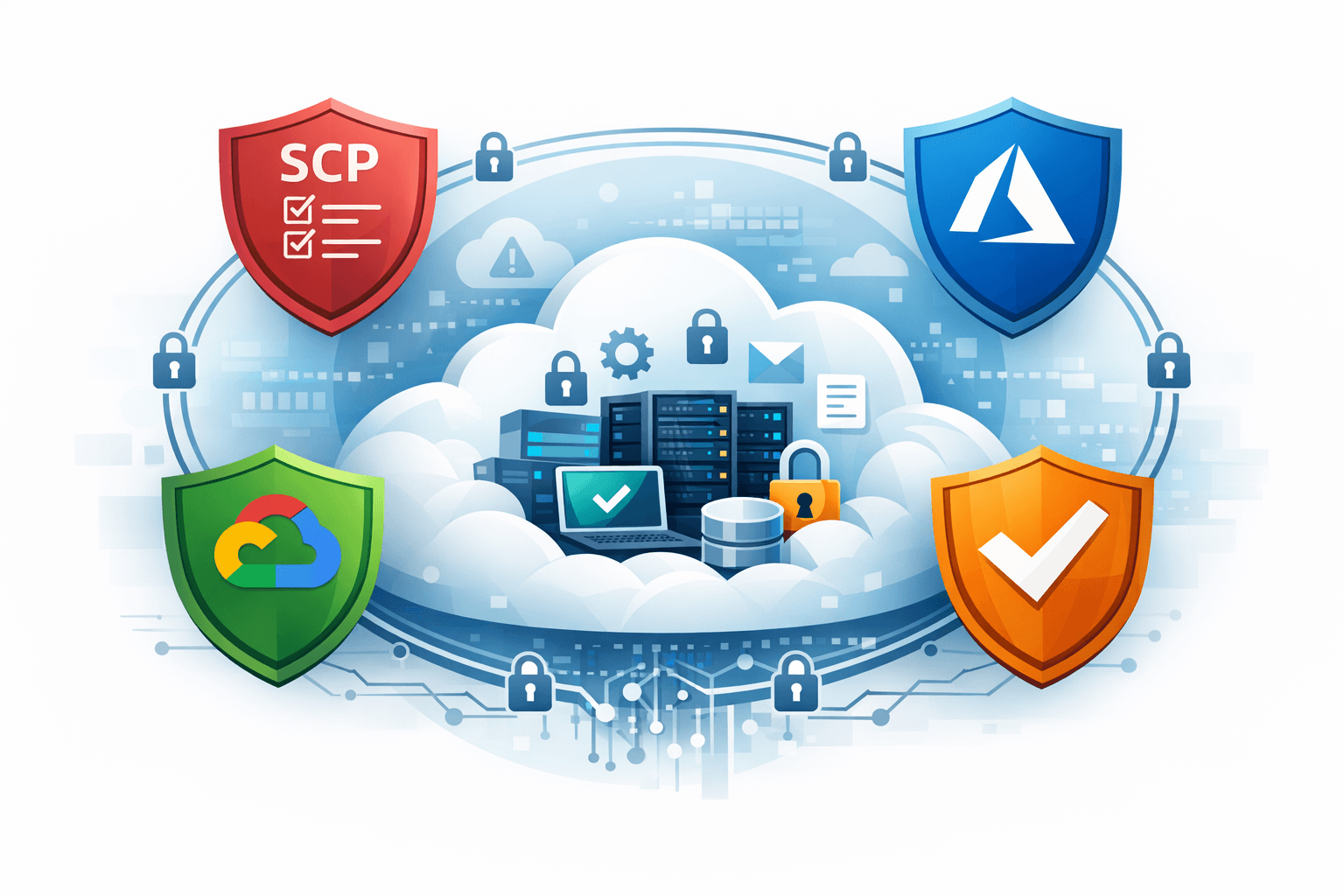
Cloud security (AWS, Azure, GCP)
SIEM, EDR, vulnerability scanners
IAM, MFA, Zero Trust
Scripting (Python, PowerShell, Bash)
Knowledge of NIST CSF, ISO 27001, CIS Controls
Tools You’ll Use
SIEM: Splunk, Sentinel, QRadar
EDR: CrowdStrike, Defender for Endpoint
Cloud Security: AWS IAM, Azure Defender, GCP SCC
Vulnerability Management: Tenable, Qualys
Identity: Okta, Azure AD
Network Security: Palo Alto, Fortinet, Cisco
Expected Deliverables
Hardened systems and secure configurations
Automated scripts and workflows
Incident response documentation
Architecture diagrams
Compliance evidence
Required Skills for Cyber Security Engineers
Cybersecurity engineering requires a blend of technical depth, problem-solving, and business awareness.
Technical Skills
Network Security
Firewalls, IDS/IPS, segmentation, VPNs, packet analysis.
Identity & Access Management (IAM)
MFA, SSO, RBAC, privileged access, lifecycle automation.
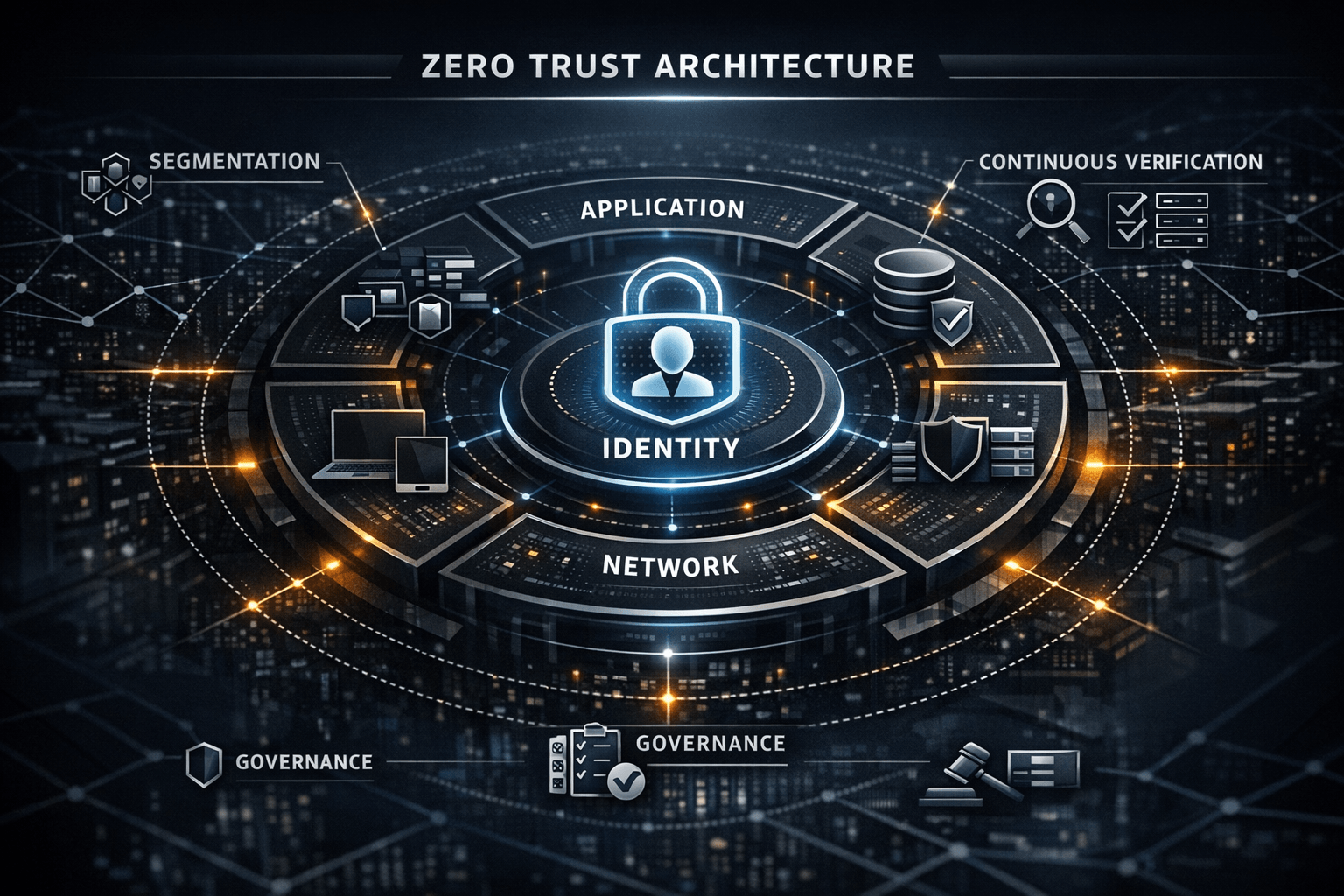
Zero Trust
Least privilege, continuous verification, micro-segmentation.
Cloud Security
AWS, Azure, GCP security services, cloud architecture, workload protection.
Vulnerability Management
Scanning, prioritization, patching, remediation workflows.
Security Architecture
Secure design patterns, threat modeling, control frameworks.
Endpoint Security
EDR, hardening, logging, detection tuning.
Automation & Scripting
Python, PowerShell, Bash, API integrations.
Does Cyber Security Require Coding?
Short answer: Not always — but it helps.
Entry-Level
Minimal coding required.
Mid-Level
Automation becomes essential.
Senior-Level
Scripting and integrations become critical.
Most useful languages: Python, PowerShell, Bash, JavaScript, Go.
Soft Skills and Business Acumen
Security engineers must be able to:
Communicate clearly
Make risk-based decisions
Align with stakeholders
Document and report effectively
Manage projects
Collaborate across teams
Security is a team sport.
Education Pathways: Degrees and Majors
Common degree paths:
Cybersecurity Engineering
Computer Science
Information Technology
Computer Engineering
Information Systems
Network Engineering
Alternative pathways:
Bootcamps
Community college
Self-study + certifications
Military training
Apprenticeships
Is Cyber Security a Good Major?
Yes — cybersecurity is one of the highest ROI majors today.
Why?
Massive talent shortage
High starting salaries
Clear career progression
Hands-on curriculum
Long-term job security
Top Cyber Security Engineering Programs
Iowa State University – BS in Cyber Security Engineering
ABET-accredited
Strong engineering foundation
Hands-on labs
Industry partnerships
Competitive admissions
Other strong programs:
University of Maryland
Georgia Tech
UT San Antonio
Northeastern University
Rochester Institute of Technology
Best Certifications for Cyber Security Engineers
Entry-Level
Security+
Network+
CEH
Google Cybersecurity Certificate
ISC2 CC
Mid-Level
CySA+
AWS/Azure/GCP Security
Splunk Power User
CCNA Security
Advanced
CISSP
CISM
GIAC
OSCP
Entry-Level vs. Advanced Certifications
| Entry-Level | Advanced |
|---|---|
| Security+, CC, CEH | CISSP, CISM, GIAC |
| Great for beginners | Requires experience |
| Fundamentals | Leadership & architecture |
| Helps land first job | Helps move into senior roles |
Cyber Security Engineer Salary and Job Outlook
Job Outlook
3.5 million unfilled cybersecurity jobs
Fastest-growing IT specialty
Every industry needs security engineers
Average Salary by Experience
Entry-Level: $75k–$105k
Mid-Level: $110k–$145k
Senior-Level: $150k–$200k+
Specialists: $180k–$250k+
Cyber Security Engineering Jobs: Where to Find Them
Top industries:
Finance
Healthcare
Government
Cloud/SaaS
Manufacturing
Energy
Best job platforms:
LinkedIn
Indeed
Dice
CyberSeek
ClearanceJobs
Company career pages
How to Become a Cyber Security Engineer: Step-by-Step
Learn the fundamentals
Choose an education path
Earn foundational certifications
Build hands-on skills
Create a portfolio
Apply for entry-level roles
Advance with mid-level certs
Move into senior engineering or architecture roles
Final Thoughts: Is Cyber Security Engineering Right for You?
Cybersecurity engineering is a career for people who love solving problems, building secure systems, and protecting organizations from real-world threats.
If you enjoy technology, critical thinking, and meaningful work, this field offers:
High salaries
Strong job security
Endless learning
Clear advancement
Purpose-driven impact
Ready to Start Your Cyber Security Engineering Career?
The world needs more defenders — and your journey can start today.
Whether you’re exploring degree programs, preparing for certifications, or building your first home lab, the most important step is simply beginning.
Let’s build your future in cybersecurity.